
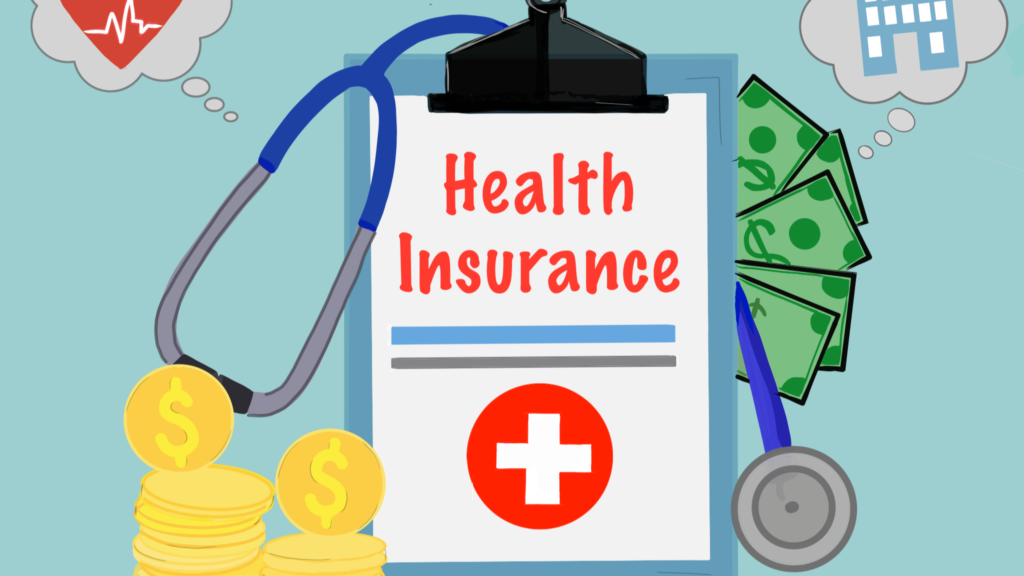
Introduction to Health Insurance
Health insurance is one of the most important financial protections a person can have in today’s world. Medical costs are rising every year, and even a small illness or accident can result in large hospital bills. Without proper coverage, these expenses can quickly drain savings and create long-term financial stress. Health insurance helps you manage these risks by covering a major portion of your medical expenses, allowing you to focus on recovery instead of worrying about money.
In simple terms, health insurance is a contract between you and an insurance company. You pay a regular premium, and in return, the insurer pays for a part or most of your medical costs, depending on your policy. These costs may include doctor visits, hospital stays, medicines, tests, surgeries, and even preventive care.
Why Health Insurance Is Essential in Modern Life
Healthcare today is advanced but expensive. Even basic treatments can cost thousands, while major surgeries or long hospital stays can cost lakhs. Health insurance acts as a financial shield that protects your income, savings, and long-term goals.
A medical emergency can happen at any age. Young people may feel healthy, but accidents, infections, and sudden illnesses are unpredictable. Older adults face a higher risk of chronic diseases such as diabetes, heart conditions, and joint problems. Health insurance ensures that you get timely treatment without delay due to financial concerns.
Another major benefit is access to quality healthcare. With insurance, you can choose better hospitals, experienced doctors, and advanced treatments that may otherwise be unaffordable.
How Health Insurance Works
When you buy a health insurance policy, you pay a premium either monthly, quarterly, or annually. In return, the insurance company agrees to cover your medical expenses up to a certain limit known as the sum insured.
If you fall sick or meet with an accident, you can either use cashless treatment at a network hospital or pay first and later claim reimbursement. In a cashless claim, the insurer directly settles the hospital bill. In reimbursement, you submit bills and documents to the insurance company after treatment, and they refund the covered amount.
Most policies also include a waiting period for certain diseases, meaning coverage starts after a specific time.
Types of Health Insurance Plans
Health insurance comes in different forms to meet different needs. Individual health insurance covers a single person and is suitable for those who want personalized coverage. Family floater plans cover the entire family under one policy and one sum insured, making them cost-effective for households.
Senior citizen health insurance is designed for older adults and covers age-related health issues. Critical illness plans provide a lump sum amount if you are diagnosed with serious diseases such as cancer, heart attack, or kidney failure.
Group health insurance is offered by employers and covers employees and sometimes their families. While useful, it is always better to have your own personal health insurance for long-term security.
What Health Insurance Typically Covers
Most health insurance policies cover hospitalization expenses, including room rent, ICU charges, doctor fees, nursing, medicines, and diagnostic tests. They also cover pre-hospitalization and post-hospitalization expenses for a fixed number of days.
Many modern policies include daycare procedures that do not require 24-hour hospitalization, such as cataract surgery or dialysis. Some plans also provide maternity benefits, newborn coverage, mental health care, and alternative treatments like Ayurveda and Homeopathy.
Preventive health check-ups are another valuable feature. These help detect problems early and maintain long-term health.
What Is Usually Not Covered
While health insurance provides wide coverage, there are certain exclusions. Cosmetic surgeries, dental treatments unless due to an accident, and experimental treatments are usually not covered. Pre-existing diseases are often covered only after a waiting period of two to four years.
Self-inflicted injuries, injuries due to illegal activities, and treatments outside the policy network may also be excluded. It is important to read policy documents carefully before buying.
How to Choose the Right Health Insurance Plan
Choosing the right health insurance plan requires careful thought. Start by evaluating your medical needs based on age, lifestyle, family history, and existing health conditions. A young professional may need basic coverage, while a family may need a higher sum insured.
Check the network hospitals of the insurer to ensure your preferred hospitals are covered. Look at the claim settlement ratio of the insurance company, which shows how reliable they are in paying claims.
Compare premium costs, coverage benefits, waiting periods, and add-on riders. A slightly higher premium is worth it if it provides better coverage and smoother claim settlement.
Importance of Adequate Sum Insured
One of the biggest mistakes people make is choosing a low sum insured to save on premium. Medical inflation is rising at a fast rate, and a hospital bill that costs five lakh today may cost ten lakh in a few years.
Experts recommend at least ₹10–15 lakh coverage for a family living in a metro city and ₹5–10 lakh for smaller cities. You can also increase your coverage later with a super top-up plan.
Tax Benefits of Health Insurance
Health insurance also offers tax savings. Premiums paid for health insurance qualify for deductions under income tax laws. You can claim deductions for yourself, your spouse, children, and parents. Additional benefits are available if you insure senior citizen parents.
These tax benefits make health insurance not only a safety tool but also a smart financial decision.
Role of Health Insurance in Financial Planning
Health insurance is a core part of any financial plan. It protects your emergency fund, investments, and retirement savings from being used for medical expenses. Without insurance, one major illness can destroy years of financial discipline.
It also brings peace of mind. Knowing that your family is financially protected during medical emergencies allows you to focus on your career, business, and personal goals without constant worry.
Digital Health Insurance and Online Buying
Today, buying health insurance is easy and fast. You can compare policies online, check reviews, calculate premiums, and buy a policy in minutes. Many insurers offer paperless documentation, instant policy issuance, and app-based claim tracking.
Online platforms also provide better transparency and competitive pricing. You can customize your policy with riders such as room rent waiver, critical illness cover, and hospital cash benefit.
Common Mistakes to Avoid While Buying Health Insurance
Many people wait too long to buy health insurance. The best time to buy is when you are young and healthy, as premiums are lower and waiting periods start early.
Another mistake is hiding medical history. This can lead to claim rejection later. Always disclose all health conditions honestly.
Choosing the cheapest policy without checking coverage is also risky. A low premium policy with poor benefits may fail you when you need it most.
The Future of Health Insurance
Health insurance is evolving rapidly. New-age policies now include wellness programs, fitness rewards, telemedicine, mental health support, and personalized coverage. Artificial intelligence is making claim processing faster and fraud detection better.
In the future, health insurance will become more integrated with digital health records, wearable devices, and preventive healthcare models.
Final Thoughts on Health Insurance
Health insurance is not a luxury but a necessity. It protects your health, your finances, and your family’s future. In a world where medical costs are unpredictable and constantly rising, having the right health insurance plan gives you confidence and stability.
A good policy ensures that you never have to compromise on treatment due to lack of money. It allows you to live a healthier, stress-free life and face medical challenges with strength and security.
Investing in health insurance today is one of the smartest decisions you can make for a safe and secure tomorrow.